Can You Sell Surplus Solar Power?
Can People Sell Surplus Solar Electricity Back to Electric Companies?
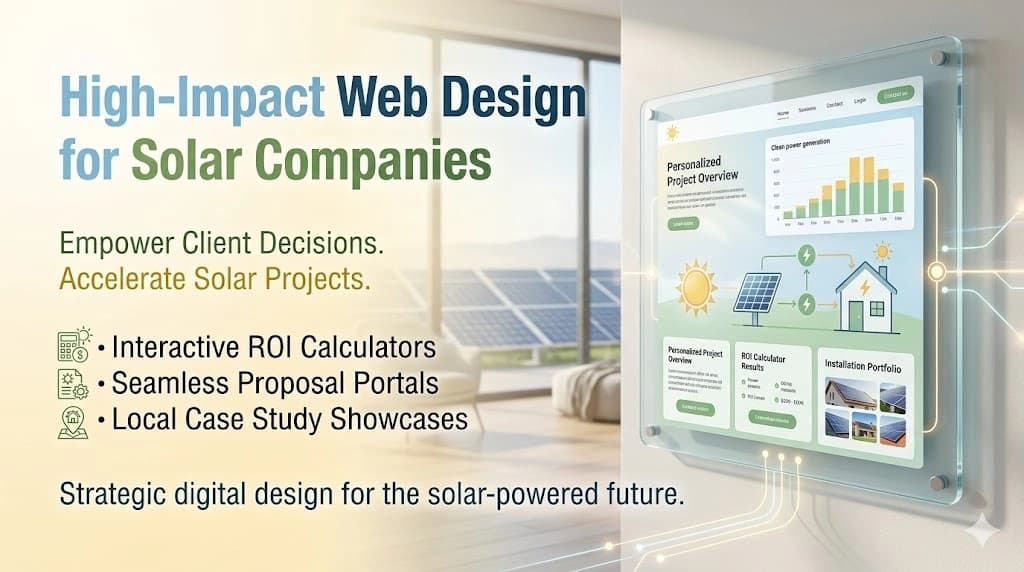
One of the most attractive selling points of renewable energy is the potential for homeowners to turn their roofs into mini-power plants. This concept, known as net metering or feed-in tariffs, is a cornerstone of the modern industry and a key feature we highlight in our web design for solar companies. At Jia Pixel, we ensure that your solar energy website design clearly communicates this financial benefit to empower your potential clients.

Understanding Net Metering and Grid Connection: Most residential solar systems are "grid-tied," meaning they remain connected to the local utility infrastructure. When your panels produce more electricity than your home consumes, the excess flows back into the grid. A high-quality solar site design should include interactive elements or calculators that show users how this "spinning meter" reduces their monthly utility bills.
How Feed-in Tariffs (FiTs) Work: In certain regions, instead of just getting credit on a bill, homeowners are paid a specific rate for every kilowatt-hour they export. This is a powerful marketing tool. Effective digital marketing and branding services for energy company focus on these localized incentives to drive conversions. By explaining these policies clearly, you remove the "ROI confusion" that often prevents people from switching to solar.
Battery Storage and Energy Independence: With the rise of smart batteries, users can choose when to sell their power. Selling surplus during "peak hours" when prices are high is a growing trend. Incorporating this into your solar web design helps position your company as a forward-thinking leader. It’s not just about panels anymore; it’s about intelligent energy management.
The Importance of Local Policy Education: Rules for selling power vary significantly by state and country. This is why branding for energy companies must include an educational component. Your website serves as a resource center where customers can find specific information about their local utility's buy-back programs, building trust and establishing your firm as a local expert.
The Value of Professional Web Representation
Clarity: A professional solar website design breaks down complex utility policies.
Visualization: Using charts to show energy export vs. import.
Conversion: Highlighting "Zero Bill" success stories.
Authority: Working with a dedicated energy company branding firm ensures your message is professional and reliable.
Maximizing the "buy-back" potential of a solar system requires both the right hardware and the right information. As the industry grows, staying informed through reliable sources is essential. For a deeper look at how grid integration and renewable policies are evolving worldwide, visit the Solar Energy Industries Association (SEIA).